CLOSE 

Written by Miyazawa Emerging Artist, Joseph Geary
For many aspiring professional flautists, studying at a conservatoire is a long-held dream. It is where talent meets dedication, where musicians are surrounded by peers who share the same commitment, and where the next stage of artistic development begins.
While the reality of conservatoire life may differ from early expectations, this difference is not a disappointment, it is an invitation. An invitation to deepen one’s craft, broaden one’s perspective, and grow in ways that are not always visible from the outside.
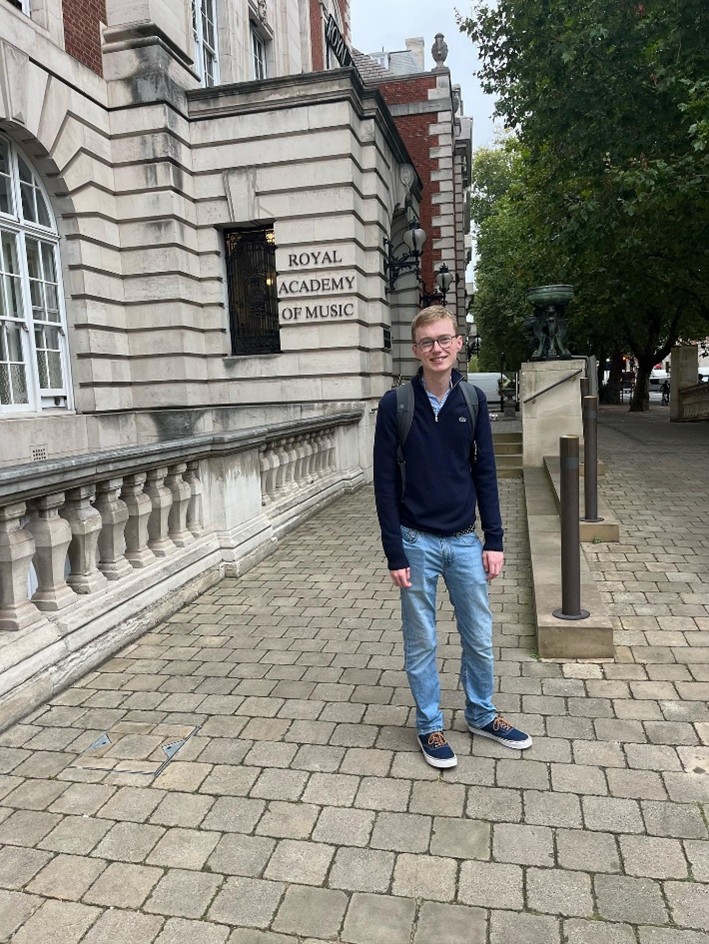
I am currently a second-year undergraduate at the Royal Academy of Music in London, and I can say without doubt that receiving my acceptance letter on the 20th of December 2023 was the day my life changed (and a fabulous early Christmas present!). It felt like a commitment to my instrument and a confirmation that this really was going to be my profession. The eight months that followed felt endless, until September finally arrived and I could focus on one thing: being a flautist.
My first year taught me just how different my expectations were from the reality of dedicating myself fully to this path. Expectations are often shaped by moments of success, auditions passed, competitions won, encouragement from mentors. These experiences are valuable and earned, and they naturally fuel excitement for what comes next. It is easy to imagine conservatoire as a place where progress accelerates quickly and confidence builds uninterrupted. While that does happen, conservatoire training also introduces a different style of learning, one that prioritizes precision, reflection, and long-term artistic development.
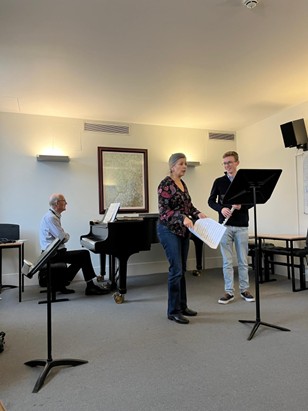
Learning becomes far more detailed. Students are encouraged to examine their playing closely, refine fundamentals, and explore new artistic possibilities. Progress may feel slower or less obvious, but it is often deeper and more lasting. Praise can feel rarer, but this is not a reflection of ability. The rewards often appear later, once the work has had time to settle.
One thing I wish I had known before my first day is that talent isn’t what separates students, resilience is. Many of us arrive having been the “big fish” in a smaller pond, and suddenly becoming the smaller fish again can feel unsettling. What truly matters is how you respond to criticism. Feedback is not always what you want to hear, but when used constructively it can make your playing more creative, not just more correct. Progress is always possible if you stay open to it.
Comparison culture is hard to ignore in such an environment. But being surrounded by highly motivated peers should be a catalyst, not a threat. It raises standards, sparks curiosity, and encourages exploration within your own playing. You are constantly exposed to new repertoire, pieces that make you think, “one to use later down the line!” Remaining inquisitive and confident in your own journey, rather than comparative, is essential.
People often ask what a typical week looks like, and the honest answer is: there isn’t one. Everything depends on current projects. On an ideal day, I aim for around four hours of productive practice, though this isn’t always possible. Some days involve six hours of rehearsals, leaving little energy for practice. In quieter weeks, I might have woodwind classes on a Monday and academic seminars, harmony, history, and aural, on a Wednesday, fitting practice, chamber music, lessons, freelancing, and teaching around them.
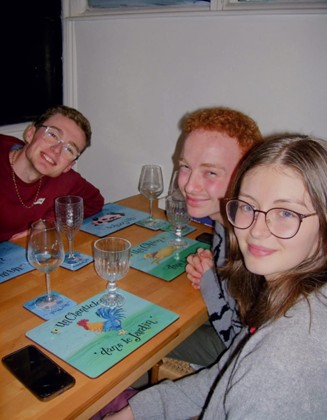
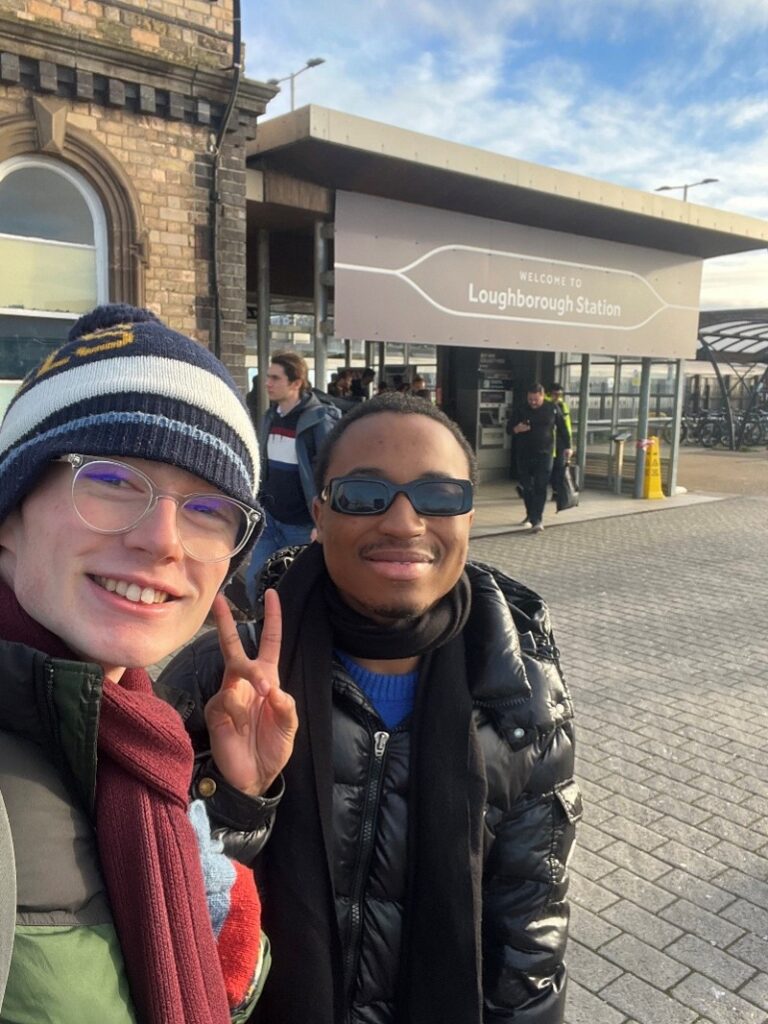
Downtime is essential. I now try to keep my Sundays completely free to see friends and step away from the practice room. One of the most valuable lessons I learnt in my first year is that it is perfectly acceptable to say “no.” I have seen friends take on too much and begin to burn out, it happens easily. And sometimes, what you need most is simply an evening on the sofa in your pajamas.

If you are considering auditioning for conservatoire, my advice is simple: go for it. Treat the audition as a performance, because it is one. The panel is your audience, and they want you to succeed. You will be nervous, but that is part of the process. See it as an opportunity to show who you are musically. Be yourself, trust your preparation, and give it everything.
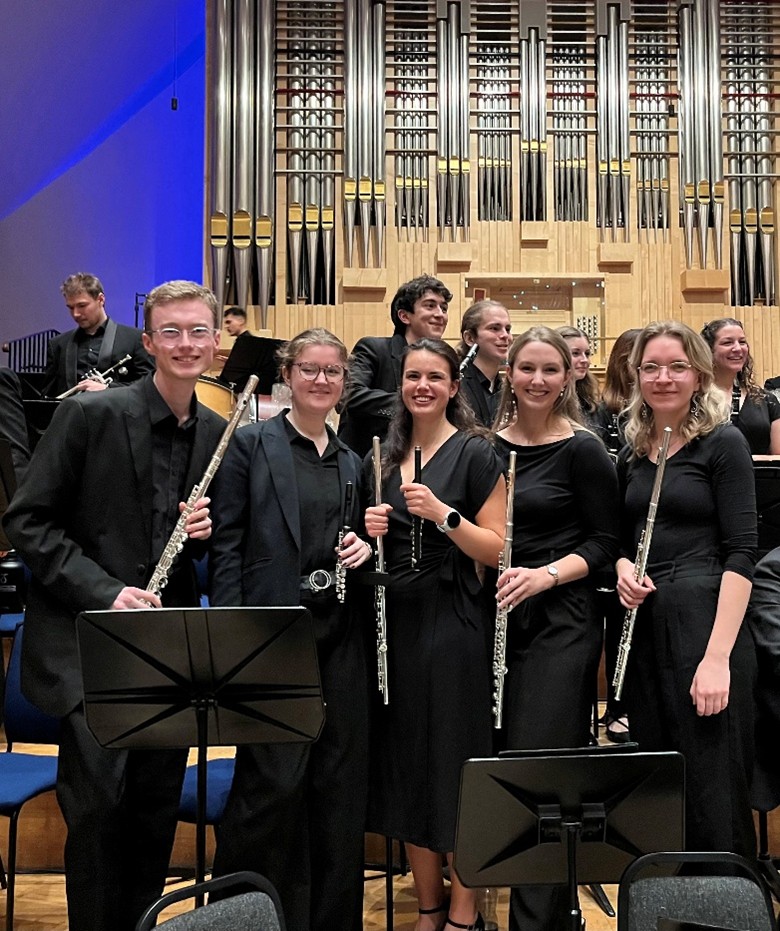
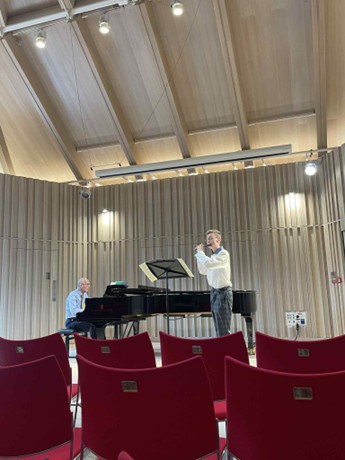
The conservatoire is not simply where your playing is tested, it is where it matures. Understanding the reality of conservatoire life allows students to engage more fully, grow with confidence, and prepare for the musical world beyond.
Bridging the gap between expectation and reality does not diminish the dream. It strengthens it.
Joseph plays on a Miyazawa Vision Model with a MX-2 Headjoint with 14k gold lip and riser, and a Miyazawa ST alto flute.
