CLOSE 

Written by Miyazawa Emerging Artist, Dr. Shannon Lotti
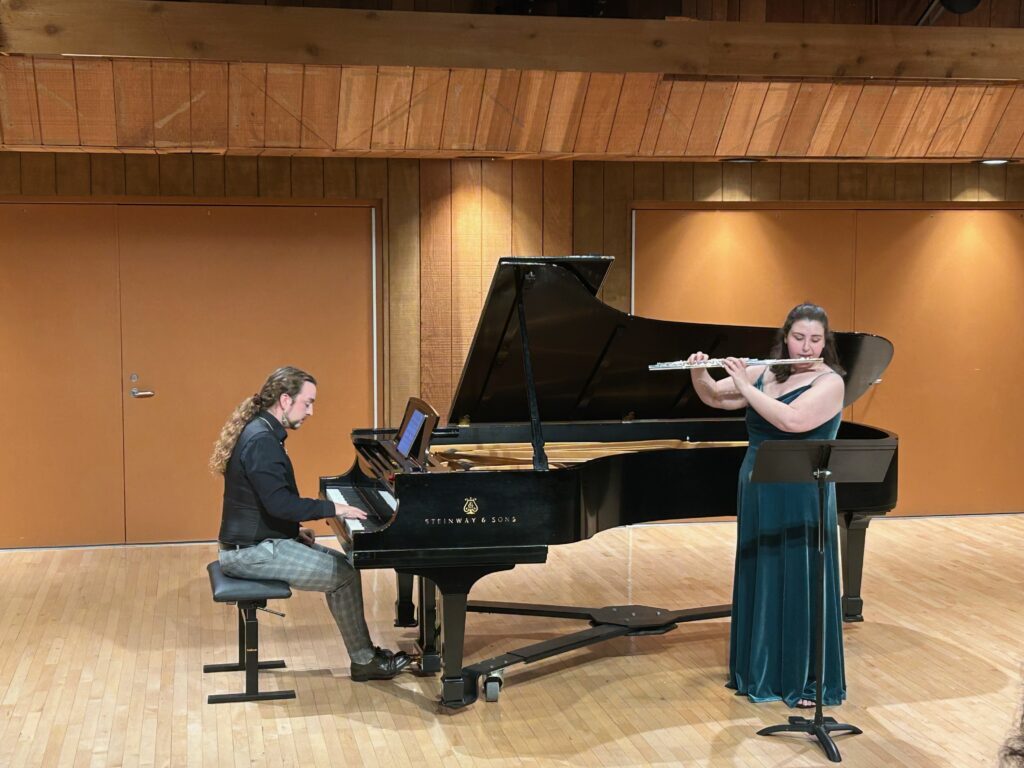
When I started my undergraduate degree, I thought I understood what it meant to practice. I knew it was important, I knew I was expected to spend several hours a day in the practice room, and I was fully prepared to put in the time.
But once I got there, I often felt stuck.
I had a growing list of assignments from my professor, but I didn’t know how to approach them. I wasn’t sure how to organize my time, how to break down difficult passages, or how to tell if I was actually improving. Most days, practice felt less like a clear process and more like guessing and hoping for the best.
At the same time, I had very little experience performing. Early on, I didn’t struggle much with performance anxiety–but that changed quickly. As I became more aware of how competitive the field of music is, and how far behind I felt compared to my peers, I started to feel a growing sense of pressure. Performing began to feel less like an opportunity and more like a test I wasn’t sure I was prepared to pass.
Looking back, those two experiences were deeply connected. I didn’t just feel anxious because I was performing. I felt anxious because I didn’t trust my preparation.
Fortunately, my undergraduate professor recognized this early on. Over time, I learned how to structure my practice, how to approach specific problems, and how to build routines that actually led to progress. Just as importantly, I was given tools to manage performance anxiety both in the practice room and on stage.
At the time, I assumed my experience was unusual. Many of my peers had been taking private lessons since middle school, and it seemed like they had already figured out what I was just beginning to learn. But as I moved into teaching and later into graduate study, I realized something surprising: my experience was not unusual at all.
Over the past ten years, I’ve worked with many students who felt the same way. They were motivated, hardworking, and deeply committed, but unsure of how to practice effectively and increasingly anxious about performing. Those questions, combined with my own experiences, led me to a question:
What if the roots of performance anxiety began much earlier, in the practice room?
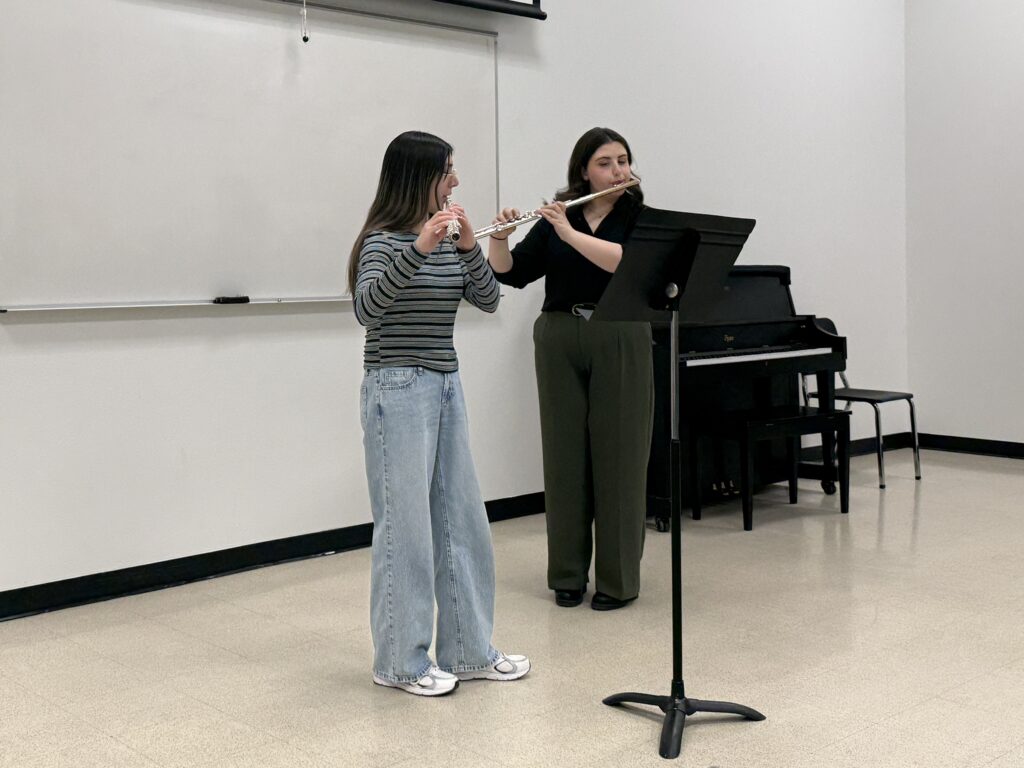
Rethinking Where Performance Anxiety Begins
We often treat performance anxiety as something that “shows up” on stage. But for many students, anxiety is already present long before they walk into a performance space. It builds gradually, shaped by daily experiences in the practice room–especially when those experiences feel uncertain, ineffective, or frustrating.
In my research, I found that students who described their practice as disorganized or unclear were also more likely to report higher levels of anxiety. This is not necessarily because they practiced less, but because they felt less confident in how they were practicing.
One of the most striking findings in my research was that practice time itself was not a strong predictor of anxiety levels. Instead, motivation–how students felt about their practice and their sense of purpose within it–was significantly related to lower anxiety.

This suggests that performance anxiety is not simply a result of being underprepared. It is often tied to uncertainty:
When those questions remain unanswered, anxiety has room to grow.
Early Practice Habits and Their Long-Term Effects
Many of the students in my study described their early practice experiences as largely unstructured. Before working with a private teacher, practice often meant playing through pieces repeatedly without isolating specific problems or using targeted strategies. At first glance, this might seem like a simple issue of inefficiency. But over time, these habits can have deeper consequences.
When students rely primarily on repetition without clear feedback or goals, they may begin to associate practice with uncertainty. They might improve slowly or inconsistently, making it difficult to trust their own preparation. This lack of trust can carry directly into performance situations.
In contrast, students who later learned structured practice strategies (typically through working with a mentor-teacher) described a shift not only in their efficiency, but also in their confidence. When they understood how to break down problems, track progress, and evaluate their own playing, they felt more in control. That sense of control is closely tied to what psychologists refer to as agency, or the ability to take purposeful, self-directed action toward a goal. Agency, in turn, appears to be a key factor in managing performance anxiety.
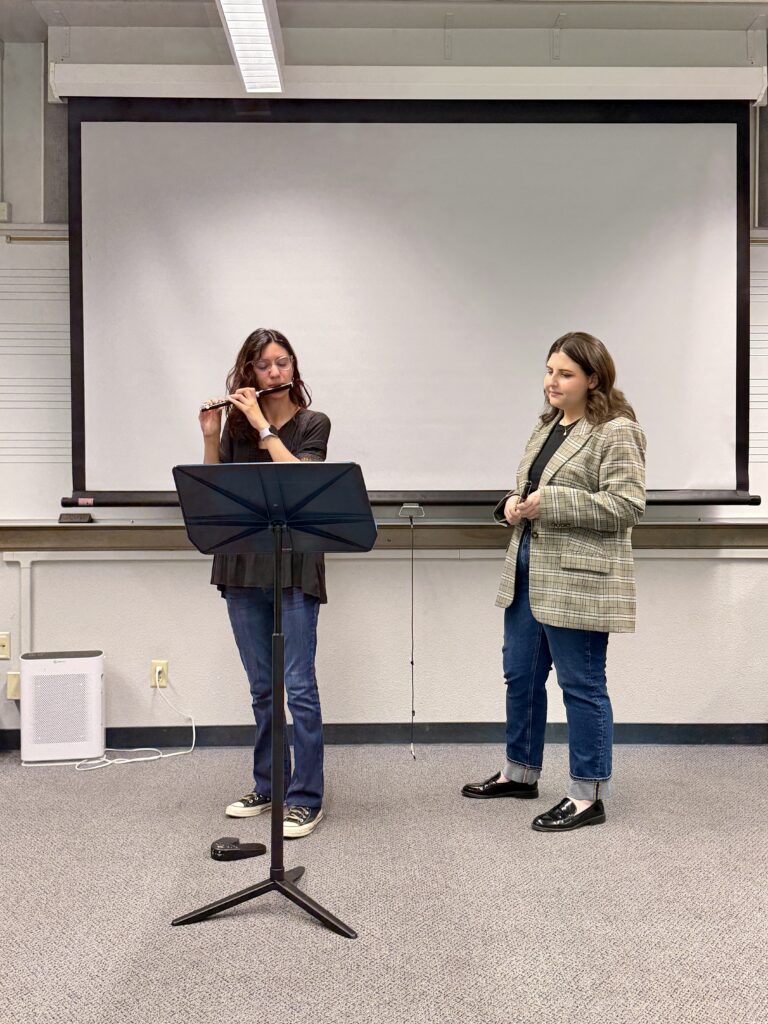
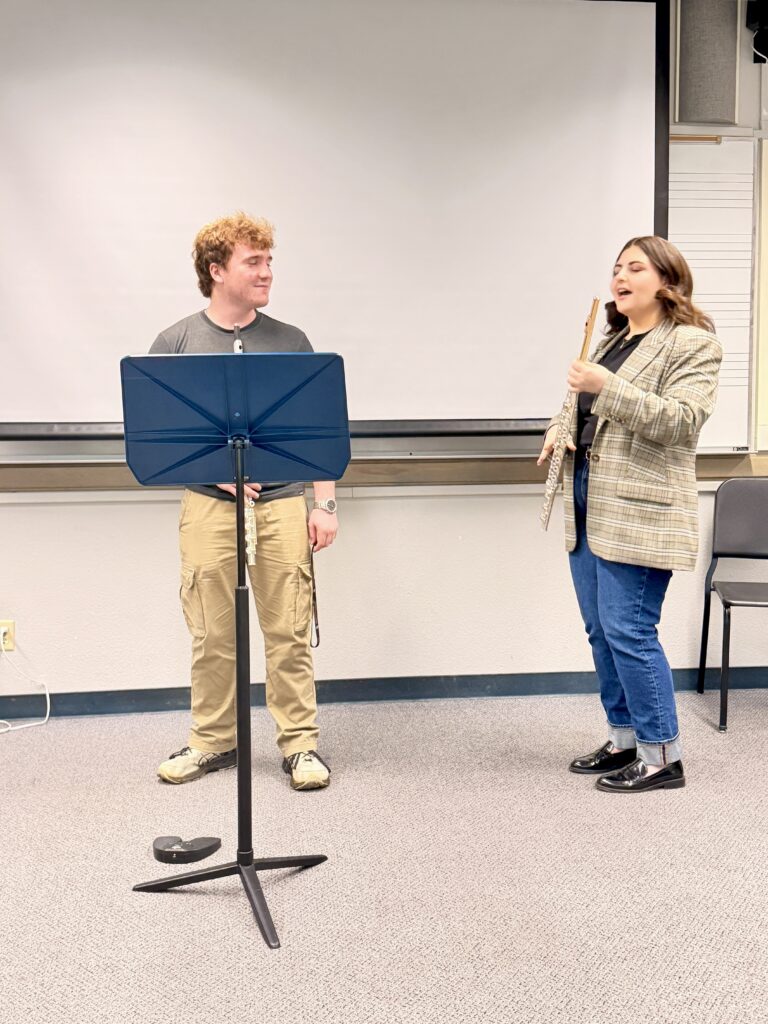
The Practice Room as an Emotional Space
One of the most important shifts in perspective from this research is recognizing that the practice room is not just a technical space. It’s also an emotional one.
Students do not simply walk into a room and work on scales and repertoire. They bring with them expectations, frustrations, comparisons, and internal dialogue. Over time, these experiences shape how they feel about both practicing and performing.
For some students, the practice room becomes a place of curiosity and experimentation. For others, it becomes a place of pressure, where mistakes feel high-stakes and progress feels uncertain.
When practice is consistently tied to frustration or self-doubt, it can reinforce the very anxiety that students later experience in performance. On the other hand, when practice feels purposeful and manageable, it can build confidence that carries onto the stage.
Why “Practice More” Isn’t the Answer
In music education, one of the most common responses to performance anxiety is simple: practice more. While increased preparation can certainly help, this advice assumes that students already know how to practice effectively. My research suggests that this is often not the case.
If a student spends hours repeating the same ineffective strategies, more practice time may not reduce anxiety–it might actually increase it. The student may feel that they are putting in the work without seeing results, which can lead to frustration and self-doubt.
This is why the quality of practice matters more than the quantity. Structured, goal-oriented practice helps students build a clear sense of progress, which then supports confidence and reduces uncertainty.
What Actually Helps
If performance anxiety is connected to how students experience practice, then addressing it requires more than just in-the-moment coping strategies. It requires a shift in how students approach their daily work.
Some of the most effective supports include:
A Shift in Perspective
Perhaps the most important takeaway from this work is that performance anxiety should not be viewed solely as a performance problem. Instead, it can be understood as part of a larger system that includes practice habits, mindset, and access to effective instruction.
When students are given the tools to practice with clarity and purpose, they are not only more efficient–they are also more confident. That confidence becomes a foundation for managing the inevitable stress of performance.
For me, this realization has reshaped both my teaching and understanding of my own experiences. The anxiety I felt as an undergraduate was not simply a personal shortcoming. In many ways, it was a reflection of not yet having the tools I needed.
Closing Thoughts
Performance anxiety is a complex and deeply personal experience, but it is also shaped by the environments in which musicians learn and grow. By looking more closely at what happens in the practice room, we can begin to understand not only how students improve, but also how they develop confidence (or lose it) along the way.
If we want to support musicians in performing at their best, we cannot focus only on the stage. We must also consider the quieter, less visible work that happens long before a performance begins.
Because in many cases, the performance does not start when a musician walks on stage.
It starts in the practice room.
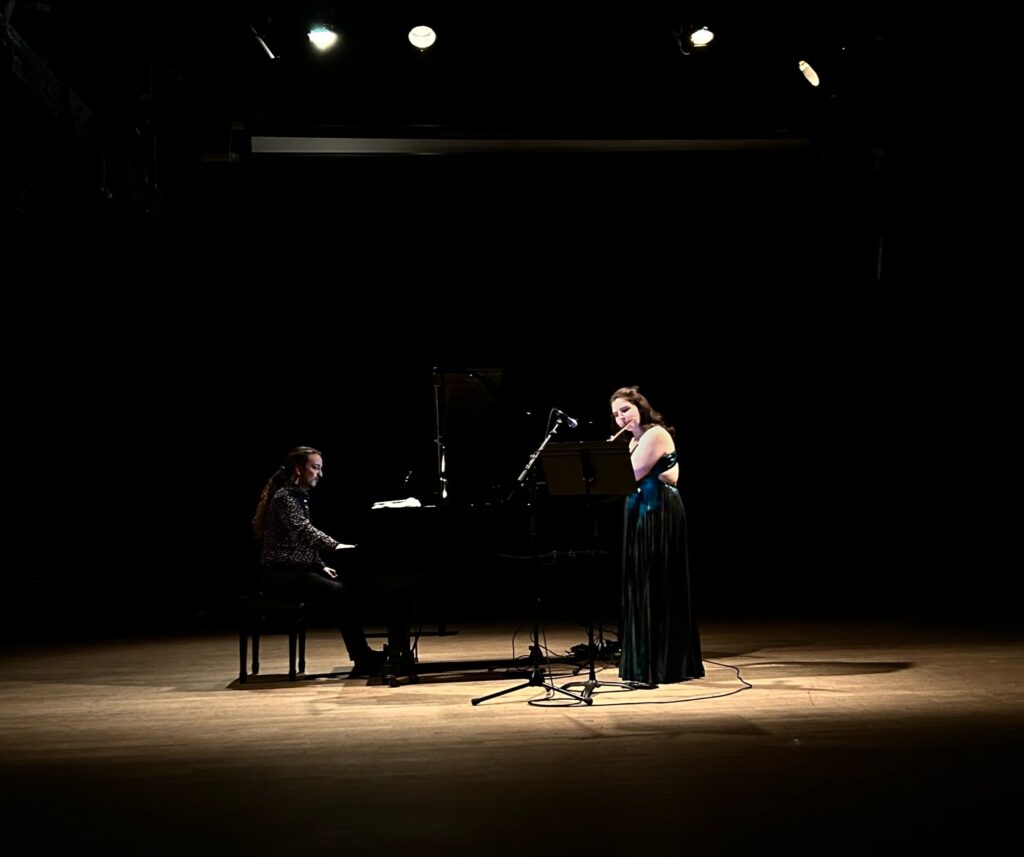
Shannon Lotti is a Miyazawa Emerging Artist and performs on a Elite model with a 9k MZ-10 headjoint with a 14k riser.
